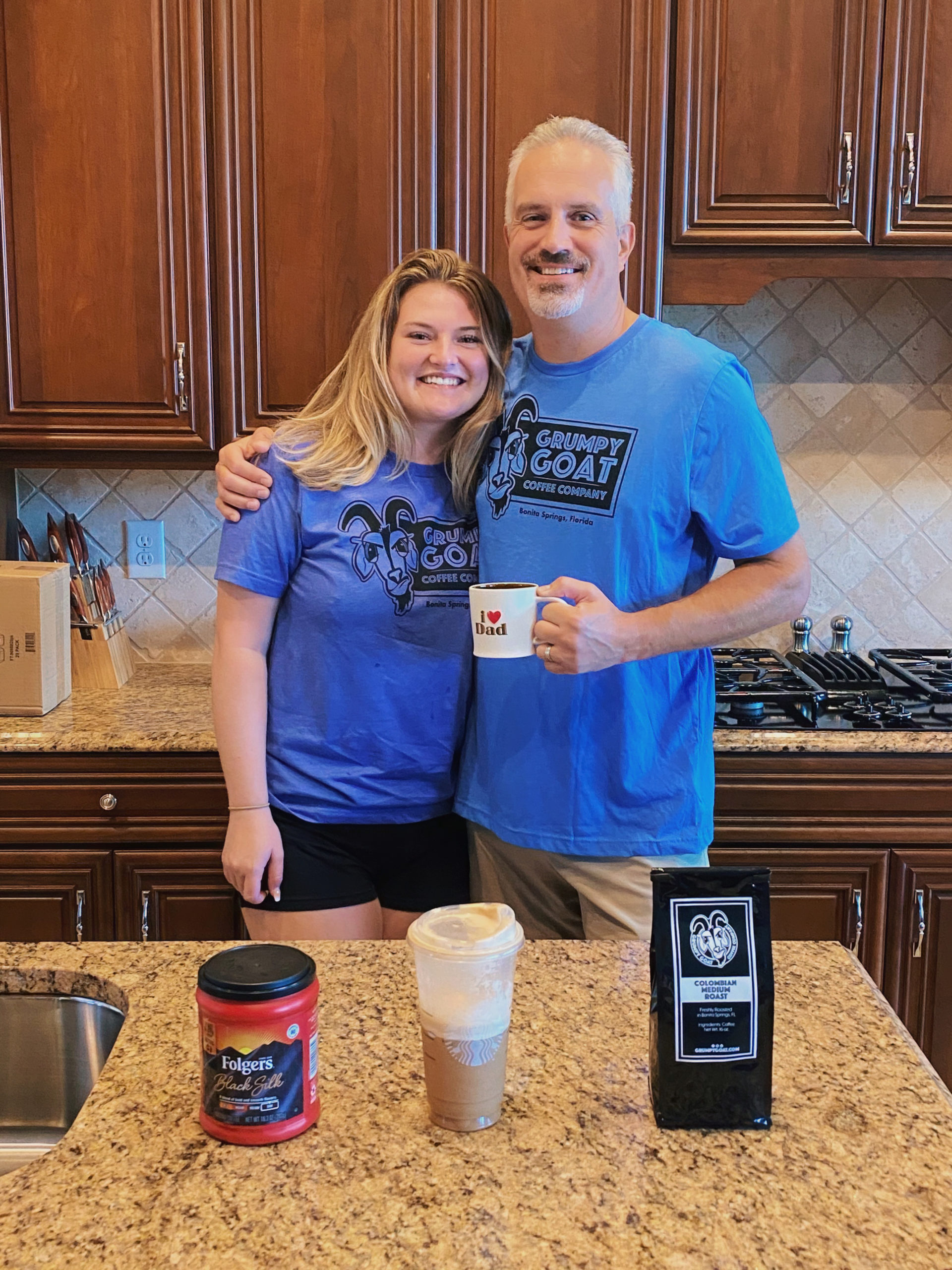
For as long as I can remember, my dad has never been the best at directions. He’s either missing a turn because he was too busy playing the air drums to Whole Lotta Love by Led Zeppelin, or he’s grumpily arguing with the navigation system because his morning cup of coffee hasn’t kicked in yet.
Growing up, I vividly remember the bright red tub of Folgers that used to sit on our countertop next to the coffee pot. It was so habitual for my dad to make his morning pot of coffee, that I grew to think it gave him some kind of superpower – how else would he make it through his constant meetings?
I remember asking my dad if I could take a sip of his superhero coffee. He laughed and said, “You’re not going to like it.”
He was right. I in fact did NOT like it.
When Starbucks mesmerized the world with its pretty decorated drinks and sweet flavors, my dad was left dumbfounded on why anyone would want to drink coffee that was more sweet than bitter. While I thought it was certainly a step up from Folgers, I didn’t realize how far behind we all were when it came to good coffee.
Like many impactful things in life, coffee has experienced a series of waves or changes that have influenced the way it’s produced, marketed and enjoyed.
I’ve come to the realization that maybe the reason my dad is grumpily arguing with the navigation system (even though he’s already had his morning cup of joe) is most likely because he doesn’t realize the evolution of coffee has introduced us to so much more than Folgers and instant coffee.
So, before my dad hops in the car today and asks Siri for directions to the new steakhouse that just opened, I’ve decided I’m going to give him some direction on what the different waves of coffee really mean.
The First Wave of Coffee


Me: Ok, let’s start with the basics and talk about the first wave of coffee.
Dad: I don’t understand – isn’t it all just coffee? And how come my GPS isn’t understanding that I want to take the backway to the steakhouse tonight?
Me: No dad, there’s a history behind it just like everything else. Let me explain the direction coffee has gone in before we figure out the directions to the steakhouse.
The roots of the first wave of coffee run back to the 1800s. Entrepreneurs of the time recognized that there was a market for providing coffee, only if it was affordable and “ready for the pot.”
I don’t blame my dad and the countless other parents in America who stuck with brands that came from the first wave. It was quick, easy and affordable – something every parent needs more of in their life.
However, the problem with first wave coffee is that it often sacrificed taste and quality to promote convenience.
Another problem with first wave coffee is the lack of background or history attached to the coffee you’re drinking. In order to make coffee like this convenient, it was often made in a factory, and you could certainly tell. When it comes to first wave coffee, there’s almost no mention of the bean’s origin country or even how it was processed.
Think of it this way, in this first wave of coffee, the consumer was the one who led the way. They knew they needed something that would give them a boost of energy but was still quick and easy for them to make.
But because of this major focus on convenience, a lot of other factors were left out of the equation.
Here are some common signs of first wave coffee:
- Artificially or “naturally” flavored beans
- Language of “premium” or gourmet”
- Primarily pre-ground offerings
- Super dark, bitter coffee
- The supermarket coffee aisle
The Second Wave of Coffee


Me: Are you following so far dad? Or did you miss a turn along the way?
Dad: I guess so… basically you’re telling me the coffee I’m drinking is crap.
Me: Not necessarily, but coffee has grown with us as a society. So as we’ve grown and changed, so has the coffee we drink. We no longer have to drink coffee that we don’t really like the taste of just because it’s convenient. Let’s talk about the second wave of coffee.
The second wave of coffee can mainly be attributed to brands like Starbucks and the way it revolutionized the way we looked at and consumed coffee.
Starbucks helped influence “cafe culture,” meaning the focus was far less on the coffee you were drinking and more on the social aspect of the coffee you were drinking.
Starbucks led the way with upbeat elevator music and a comfortable atmosphere for college kids to sit and knock out their final paper or for businessmen to stop in for a quick coffee on the go.
With a high-quality coffee experience, there came higher-quality coffee. During this era of coffee, people started to want to know more about the origin countries that their coffee beans were coming from. People no longer wished to drink coffee that was mass-produced in a factory.
However, the focus still wasn’t fully on the coffee beans themselves, it was more centered around the kind of specialty drinks that could be made with coffee. The driving force behind this second wave was marketing the experience of drinking coffee.
By mixing espresso shots with sweet, flavorful syrups and caramel drizzle, Starbucks made drinking coffee fun and exciting.
Here are some common signs of Second Wave Coffee:
- Heavy focus on flavored drinks
- Fairly dark, bitter coffee
- The upper shelf of the supermarket coffee aisle
- Slight recognition of the coffee origin country
The Third Wave of Coffee


Dad: Okay, I think I get it now. Starbucks helped make drinking coffee be more than just a way to wake you up in the morning.
Me: Exactly, except it still missed some steps along the way. Think about it like it was wine –
Dad: Oh, I do like wine!
Me: – With wine, you prefer a Burgundy from France right?
Dad: Yes! It doesn’t get better than that.
Me: Well, that’s what the third wave of coffee did. This new era has helped people understand the difference between certain roasts like light, medium and dark – they also discovered which their taste buds preferred best. But the main thing that this new era of coffee has done is educate people on the many regions that coffee beans are produced and how they are produced – this helped many people realize that that they no longer had to rely on first wave brands, they wanted something fresher. You wouldn’t go back to drinking Barefoot wine after knowing what kind of Burgundy you like from France, right?
Dad: Heck no! Tell me more about the third wave.
The third wave actually has its roots in the 1980s with a niche community that was very focused on the origin and production of coffee beans. Since this community was so small, their goals and ideas didn’t really blossom until recent years.
In fact, the term third-wave coffee wasn’t coined until 1999. This new era awakened many people in what is now referred to as a “coffee renaissance.”
The thing with first and second-wave coffee is that it was so bitter that nobody really enjoyed the taste, they just wanted the energy that came along with it. Of course second-wave coffee tried to fix this with syrup and heavy milk, but when those factors were taken out of the equation, you were still left with bitter coffee that just wasn’t enjoyable.
The goal of third-wave coffee is to find coffee that isn’t bitter or ashy, but instead so enjoyable you don’t even need to add anything to it in order to love it.
How do you find coffee like that? Well, you won’t find it in the grocery store coffee aisle that’s for sure. Instead, look for local coffee vendors, roasters or shops that are transparent with the coffee beans they sell.
Here are some common signs of Third Wave Coffee:
- Specific flavor notes (honey sweetness, rose aromatics, and orange acidity)
- Roast profiles specific to bean origin
- Latte art
- Single-origin beans
- High degree of origin transparency
- Manual brewing methods like pour-over cones and french presses
- Freshness transparency by publishing specific roast dates
- Certifications such as Fair Trade, Shade Grown, Organic, etc
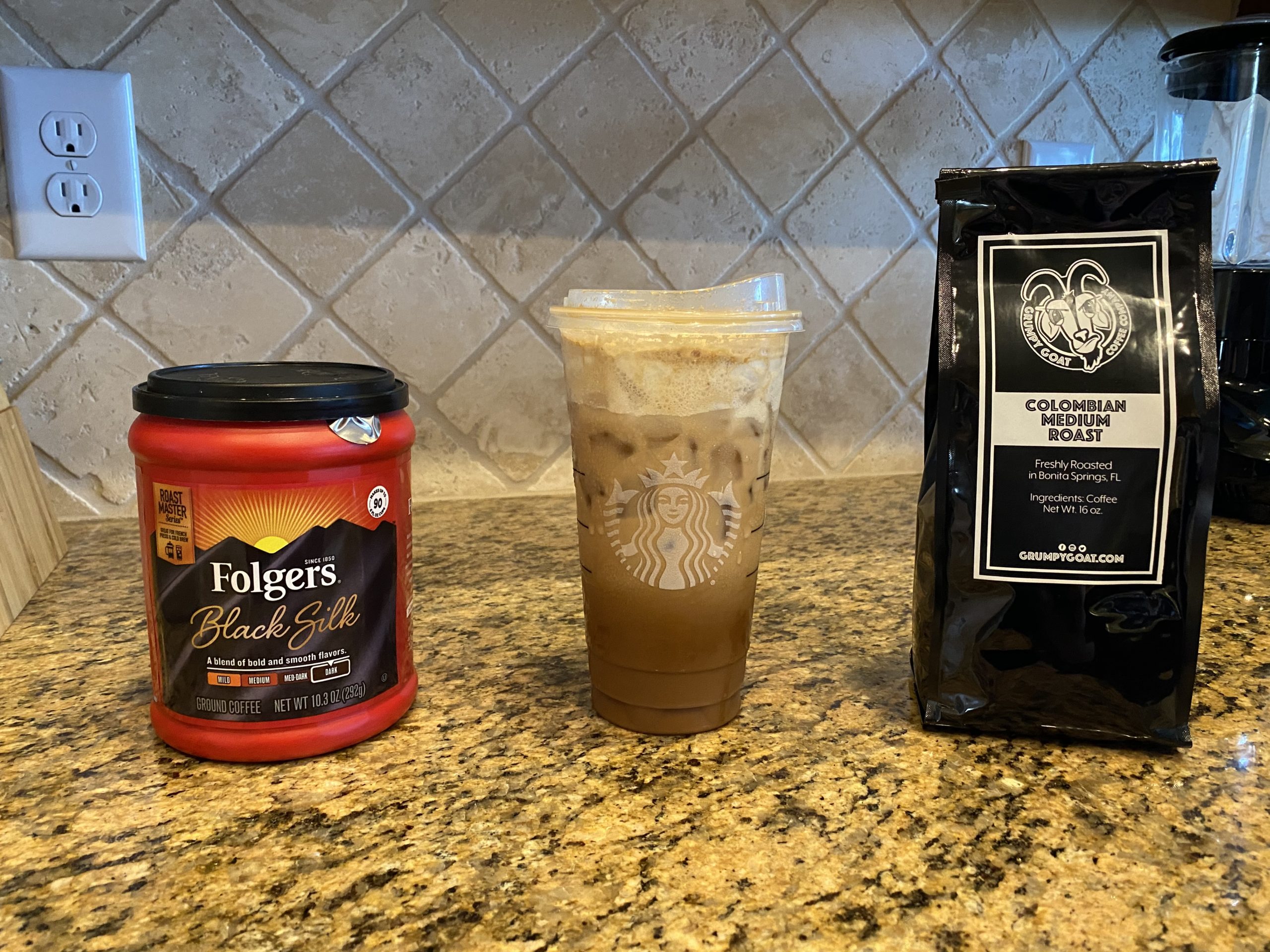
The Different Waves of Coffee
Dad: I get it now! There’s a lot more to coffee than just convenience and a boost of energy
Me: Exactly! You can actually enjoy the coffee you drink and not just suffer through it in order to get your daily dose of caffeine. Now, let’s figure out these directions to the steakhouse.
Dad: Wait, real quick. I just googled specialty coffee roasters in our area. Let’s plug in the directions and stop here to pick up some origin specialty coffee beans before we go to the steakhouse.
Siri: Starting route to Grumpy Goat Coffee in Bonita Springs.