Mold in Coffee: The Truth About Moldy Coffee Beans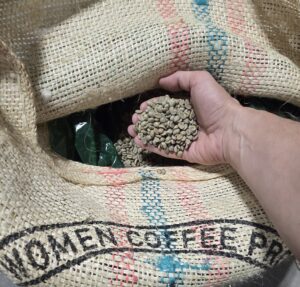
Quick Answer
If you purchase coffee from a reputable specialty coffee roaster, mold is rarely a concern. Specialty coffee undergoes careful harvesting, drying, storage, inspection and roasting. Imported coffee is also subject to food safety regulations that limit harmful mycotoxins. The biggest mold risk for most coffee drinkers is actually a dirty coffee maker, not the coffee itself.
Why This Topic Matters
Search for mold in coffee and you’ll quickly find alarming headlines claiming that most coffee contains dangerous mold. Some brands even advertise their products as “mold-free,” suggesting other coffees are unsafe.
That claim leaves out an important fact.
Coffee is one of the most closely monitored agricultural products in the world. While mold spores exist naturally in the environment, reputable specialty coffee roasters work with trusted farmers and importers to minimize defects and deliver clean, high-quality coffee.
At Grumpy Goat Coffee, we believe education is just as important as exceptional roasting. Sourcing fully traceable coffee and understanding the supply chain helps separate marketing claims from science.
Can Coffee Beans Have Mold?
Yes, but context matters.
Coffee grows outdoors. Like wheat, corn, cocoa, peanuts, and many fruits, coffee can be exposed to naturally occurring mold spores during cultivation.
Mold only becomes a concern if coffee is:
- improperly dried
- stored in excessive humidity
- transported under poor conditions
Specialty coffee producers carefully control each of these steps.
Green coffee is dried to a stable moisture content before export, dramatically reducing the chance for mold growth.
What Are Mycotoxins?
Mycotoxins are naturally occurring compounds produced by certain molds.
The two most discussed in coffee are:
- Ochratoxin A (OTA)
- Aflatoxins
At high concentrations, these compounds may present health concerns.
Fortunately, coffee entering the United States and many other countries is subject to food safety monitoring. Shipments that exceed regulatory limits are rejected before reaching consumers.
The overwhelming majority of specialty coffees fall well below established safety thresholds.
Why Specialty Coffee Has Lower Risk
Not all coffee follows the same quality standards.
Specialty coffee passes through multiple quality checkpoints.
These include:
- selective hand harvesting
- controlled processing
- moisture testing
- warehouse inspections
- importer quality control
- roaster evaluation
- defect removal before roasting
At Grumpy Goat Coffee, we purchase coffees from trusted importers who share our commitment to quality, transparency, and responsible sourcing.
Better coffee begins long before roasting starts.
Does Roasting Remove Mold?
Roasting temperatures often exceed 400°F.
These temperatures destroy living mold organisms.
However, great coffee starts with great green coffee.
Professional specialty roasters do not rely on roasting to fix poor-quality beans. They begin with carefully sourced coffees that have already met high quality standards.
Roasting then develops sweetness, aroma, and complexity while producing the flavor profile you enjoy in every cup.
Is “Mold-Free Coffee” Really Different?
“Mold-free coffee” has become a popular marketing phrase.
No coffee grown outdoors can truthfully claim to never have encountered naturally occurring mold spores.
The real question is whether the finished coffee contains unsafe levels of mycotoxins.
For reputable specialty coffee, extensive quality controls and food safety regulations already address that concern.
Instead of focusing on marketing buzzwords, look for coffee companies that openly discuss:
- sourcing practices
- roasting philosophy
- freshness
- transparency
- quality standards
Those are much stronger indicators of exceptional coffee.
The Biggest Mold Problem Could Be Your Coffee Maker
Ironically, your coffee brewer presents a much greater opportunity for mold than your coffee beans.
Water reservoirs remain warm and moist, creating conditions where mold, yeast, and bacteria can grow.
Whether you own a:
- Keurig
- Nespresso
- drip coffee maker
- espresso machine
regular cleaning is essential.
Manufacturers generally recommend cleaning and descaling on a regular basis based on usage and complexity of internal components. Many modern brewers even include automatic cleaning cycles. A traditional drip machine can often be descaled using equal parts white vinegar and water followed by several rinse cycles.
Also remember to empty standing water after brewing and allow the reservoir to dry whenever possible.
Don’t Forget Your Coffee Mug
Coffee equipment isn’t the only place where microbes can accumulate.
Office coffee stations often include:
- shared mugs
- dirty sponges
- frequently touched machine buttons
- reusable towels
Studies have found bacteria on communal coffee cups, while contaminated kitchen sponges may actually spread germs during cleaning. Whenever possible, wash mugs in a dishwasher or allow them to air dry after cleaning.
How to Buy Coffee With Confidence
When choosing coffee, ask these questions:
✔ Does the roaster disclose where the coffee comes from?
✔ Is the coffee freshly roasted?
✔ Does the company discuss sourcing relationships?
✔ Does the coffee arrive in whole bean form?
✔ Does the company focus on quality rather than fear-based marketing?
If the answer is yes, you’re probably buying from a roaster that values quality from farm to cup.
At Grumpy Goat Coffee, every coffee we roast begins with carefully selected specialty-grade beans chosen for exceptional flavor, freshness, and consistency.
Explore our collection of fresh roasted, single origin coffees, and limited seasonal releases to taste the difference quality makes.